Camino de Santiago in 2027: Which Experience Is Right for You?
In 2027, the question is not only when to go. It is how you want to experience the Camino.
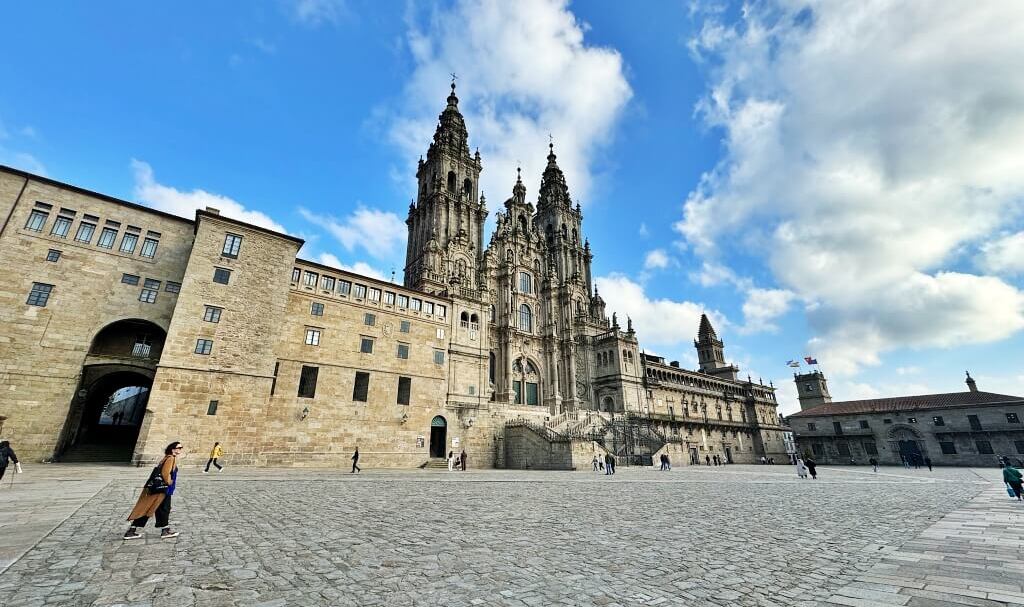
When we first start imagining the Camino de Santiago, it is easy to focus on the destination. Santiago de Compostela appears on the map, the cathedral becomes the final point of the journey, and soon we are looking at dates, routes and how many days we will need.
But there is another decision worth making first: what kind of experience do you want to have?
In 2027, there are even more reasons to start thinking about your Camino in advance, but the fact that it is a Holy Year does not have to determine your choice. What matters is understanding whether you picture yourself walking for several days, cycling between Portugal and Galicia, following the Atlantic coast, taking a more relaxed approach or adding something different to your journey, such as the Salnés Spiritual Variant.
Two people can travel the Camino in the same year, start from different places and return home with completely different experiences.
And that is where the choice begins.
First, choose how you want to travel the Camino
Walking: when every stage is part of the experience
Walking places the distance at the centre of the journey.
The kilometres are not simply a number on an itinerary. They become something you experience throughout the day, as the landscape changes, villages disappear behind you and your body gradually feels the effort of the journey.
For travellers who enjoy walking and have enough time to do so without turning every stage into a race, this can be one of the most rewarding ways to experience the Camino.
It also offers greater flexibility when it comes to daily distances. Some programmes follow a more traditional rhythm, while others are designed for travellers who would rather walk fewer kilometres each day.
The Easy Camino de Santiago, for example, is designed for those who want to take their time and enjoy their surroundings rather than focus solely on covering distance. The Easy Coastal Camino takes the same approach along the Atlantic, dividing the journey into shorter walking stages of between 7 and 18 km.
If you imagine a journey where walking itself is an essential part of what you have come to experience, travelling on foot may be the right choice for you.
Cycling: when you want to cover more ground
Cycling changes the scale of the journey.
You can cover greater distances each day, but that does not necessarily make the Camino easier. Cycling the Portuguese Camino involves a combination of rural paths, forest tracks, cobbled sections and roads, with some climbs and descents along the way. Experience with mountain bikes and a good level of physical preparation are recommended.
The reward is a different sense of progression.
In a relatively short time, you can move through several landscapes, towns and regions while still feeling connected to the route. For experienced cyclists who prefer a more dynamic journey, it can be a particularly rewarding way to discover the Camino.
There is also an important practical difference for anyone hoping to obtain the Compostela: pilgrims travelling by bicycle must complete at least the final 200 km, compared with 100 km on foot.
So the choice should not be based on which option seems easier. It should be based on the kind of journey you want to experience.
Then, choose the landscape you want to cross
Even after deciding between walking and cycling, there is another question to consider:
What would you like to see when you leave your accommodation each morning?
The Portuguese Camino offers very different landscapes and atmospheres, and the route you choose can have a significant impact on your experience.
Portuguese Camino: for history, heritage and the inland route
The Portuguese Camino de Santiago is a natural choice for travellers who want to connect with the history and heritage of the pilgrimage route.
Starting in Porto, the journey heads north through historic towns, rural landscapes and villages before crossing into Galicia and continuing towards Santiago de Compostela. Portugal Green Walks currently offers this walking programme as a 14-day self-guided journey, with hotels and luggage transfers included.
Along the way, the experience is shaped by ancient pilgrim trails, historic towns, churches, bridges, forests, farmland and rural communities.
The city, the landscape and even the rhythm of the journey gradually change.
Choose the Portuguese Camino if you are looking for a journey shaped by history, heritage and the gradual transformation of the landscape.
Portuguese Coastal Camino: for those who want the Atlantic nearby
Some travellers have a very particular image of their Camino: waking up, starting to walk and having the Atlantic nearby for part of the journey.
If that sounds like you, the Portuguese Coastal Way to Santiago may be the natural choice.
The route combines beaches, coastal towns, fishing communities and rural landscapes, creating a very different experience from the inland Camino. Portugal Green Walks offers the full Coastal Way from Porto to Santiago as a 15-day self-guided walking holiday, as well as a longer Easy Coastal Camino for travellers who prefer shorter stages and more time to explore.
There is also a cycling version for those who would rather experience the coast on two wheels. The standard cycling programme takes 9 days, while the Easy Cycling The Portuguese Coastal Camino stretches the journey over 11 days for a more relaxed pace.
Choose the Coastal Camino if the idea of walking or cycling with the Atlantic beside you is part of the journey you imagine.
Salnés Spiritual Variant: for something different
Not every traveller is looking for the most traditional route.
Some want to add something different to their Camino — a combination of nature, heritage, water and a more distinctive connection to the Jacobean tradition.
The Salnés Spiritual Variant of the Portuguese Camino from Valença connects the Portuguese Way with the Translatio Route, following the Arousa Sea and Ulla River route. Portugal Green Walks currently offers it as a 9-day self-guided programme.
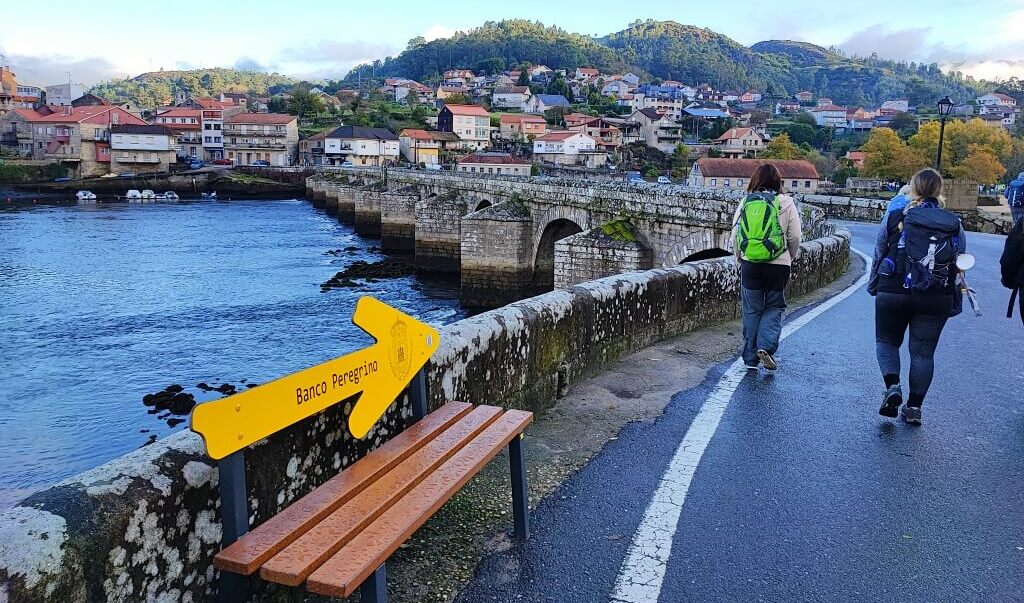
The experience includes places such as Pontevedra, Combarro and the natural landscapes associated with the route, before continuing towards Santiago.
It is an interesting option for travellers who want their Camino to include something beyond the traditional walking route.
Choose the Salnés Spiritual Variant if you are looking for a Camino with a different rhythm and a strong connection between landscape, heritage and the Jacobean tradition.
What if you do not have much time?
One of the easiest mistakes when planning the Camino is to assume that you need several weeks to make the experience worthwhile.
You do not.
The number of days available should influence the route you choose, rather than make you give up on the journey altogether.
Portugal Green Walks offers several shorter options, including the Portuguese Camino – Last 100km and the Portuguese Coastal Way – Last 100km, both designed as 8-day programmes.
There are also shorter experiences and the 9-day Salnés Spiritual Variant.
The real question is:
How many days do you have, and how do you want to use them?
If you only have a week, there is little point choosing an itinerary that leaves you thinking about the kilometres still ahead of you every afternoon. A shorter, well-balanced experience can be far more rewarding than trying to fit too much into too little time.
What if you have more time, but do not want to walk long distances every day?
Having more time does not automatically mean choosing the longest possible route.
Some travellers want to walk, but also want time to explore towns, stop for lunch, discover local food, sit down with a coffee or simply enjoy where they are without constantly watching the clock.
This is where a slower itinerary can make a real difference.
The Easy Coastal Camino, for example, takes 21 days from Porto to Santiago and divides the walking days into stages of between 7 and 18 km. The additional time allows travellers to enjoy the coastal scenery, countryside, towns and villages without making physical effort the focus of every day.
And if you cannot decide between walking and cycling, there is even a Combined Biking & Hiking Coastal Camino, which brings both ways of travelling together in an 11-day experience.
The Camino does not have to become a test of endurance simply because you have more days available.
What kind of Camino traveller are you?
Instead of looking for one universally “best” Camino, start by thinking about yourself.
The traveller looking for a challenge
A traditional walking itinerary or a cycling programme can provide the sense of achievement you are looking for. The right choice will depend on your fitness, experience and the type of challenge you enjoy.
The traveller who wants to walk without rushing
Look at programmes with shorter stages, such as the Easy Camino or Easy Coastal Camino. They leave more time to enjoy the places you pass through.
The traveller who prefers cycling
The Portuguese Camino and Coastal Camino can both be experienced by bike, but cycling requires appropriate fitness and experience, particularly because the terrain is varied.
The traveller who wants the sea and open landscapes
The Portuguese Coastal Camino brings together beaches, fishing villages, coastal towns and rural landscapes between Porto and Santiago.
The traveller interested in history and heritage
The Portuguese Camino offers a journey through historic towns, ancient trails, churches, bridges and rural communities on the way north from Porto.
The traveller looking for something different
The Salnés Spiritual Variant adds another dimension to the journey through the Translatio Route and the landscapes around the Arousa Sea and Ulla River.
The traveller who still does not know
That is also an answer.
Sometimes the best place to start is by explaining what you want from the journey: how active you want to be, how much time you have, what landscapes attract you and what you would like to discover along the way.
Difficulty is not only about kilometres
Two routes with a similar distance can feel completely different.
The number of kilometres matters, but it is not the whole story. Terrain, elevation, daily stage length and your own physical preparation all influence how demanding the journey will feel.
This becomes particularly important when considering cycling. The Camino is not exclusively made up of paved roads. Cycling itineraries can include rural paths, forest trails, cobblestones and uneven surfaces, as well as climbs and descents.
The same 15 km can also feel completely different to two people with different levels of fitness and experience.
So do not choose your Camino based only on the number beside the distance.
Choose it based on how you want to feel at the end of each day.
2027 is the year to start deciding, not just walking
There is one decision worth making before you start booking anything for 2027:
What kind of Camino do you actually want to experience?
Portugal Green Walks already has bookings open for 2027, and planning earlier gives you more choice when it comes to dates, routes, duration, accommodation and the way you want to travel.
But this article is not about explaining why 2027 is special. There are already other resources on the Portugal Green Walks blog covering the Holy Year and the importance of planning ahead.
This is about something more personal:
What do you want to do with the opportunity?
If you imagine the sea beside you, choose the Coastal Way. If history and inland landscapes appeal to you, consider the Portuguese Camino. If you want a different experience, explore the Salnés Spiritual Variant. If cycling is more your style, choose a programme that matches your experience and fitness. If time is limited, start closer to Santiago. And if you have more time, give yourself permission to slow down.
The Camino begins when the idea takes shape
Perhaps, by now, you can already picture yourself on a particular route.
Perhaps you have realised that cycling suits you better than walking. Or that you would rather walk 12 km and have time to explore than spend every day covering 25 km. Perhaps it is the Atlantic that has caught your attention, or the idea of following the Salnés Spiritual Variant.
That clarity is already part of the planning.
Because the Camino de Santiago does not necessarily begin when you arrive at the starting point. It begins when you stop thinking simply “I want to do the Camino” and start asking:
“Which Camino do I want to experience?”
For 2027, that is a decision worth making while there is still room to shape the journey around you.
Frequently Asked Questions
Which Camino de Santiago should I choose for 2027?
It depends on your available time, fitness level, preferred way of travelling and the type of landscape and experience you are looking for. Portugal Green Walks offers walking and cycling programmes on both the Portuguese and Coastal Caminos, as well as easier itineraries and the Salnés Spiritual Variant.
Is it better to walk or cycle the Camino de Santiago?
Neither is universally better. Walking offers a slower, more gradual experience, while cycling allows you to cover more distance each day. Cycling does, however, require suitable fitness, cycling experience and confidence on varied terrain.
Which Camino de Santiago is best if I have limited time?
There are several shorter options. The Portuguese Camino – Last 100km and Portuguese Coastal Way – Last 100km are both 8-day programmes, while the Salnés Spiritual Variant is offered as a 9-day journey.
Is there an easier Camino de Santiago?
Yes. The Easy Camino and Easy Coastal Camino are designed for travellers who prefer shorter daily walking distances and more time to enjoy their surroundings. The Easy Coastal Camino, for example, uses stages of between 7 and 18 km.
Can I cycle the Portuguese Camino de Santiago?
Yes. Portugal Green Walks offers both the Cycling the Portuguese Camino de Santiago and Cycling the Portuguese Coastal Way to Santiago. The routes involve different types of terrain, so suitable fitness and cycling experience are important.
What is the Salnés Spiritual Variant?
It is a variant of the Portuguese Camino connecting the route with the Translatio Route around the Arousa Sea and Ulla River. Portugal Green Walks currently offers the route as a 9-day self-guided programme from Valença.
YOUR 2027 CAMINO STARTS WITH A CHOICE. FIND THE ROUTE, PACE AND EXPERIENCE THAT FEEL RIGHT FOR YOU. DISCOVER OUR CAMINO DE SANTIAGO PROGRAMMES
 WhatsApp
 Email
 Facebook
Ready to Start Planning your 2027 Camino?
Explore our self-guided Camino de Santiago programmes and find your route.

Cycling The Portuguese Coastal Way to Santiago
9 days | from €1,130
See the best of northern Portugal and Galicia as you cycle the Portuguese Coastal Way to Santiago along the coast.

Portuguese Camino de Santiago
14 days | from €1,210
Walk the ancient pilgrim route of the Portuguese Camino de Santiago. Luggage transfers and hotels make the challenge enjoyable.
Make an Enquiry