
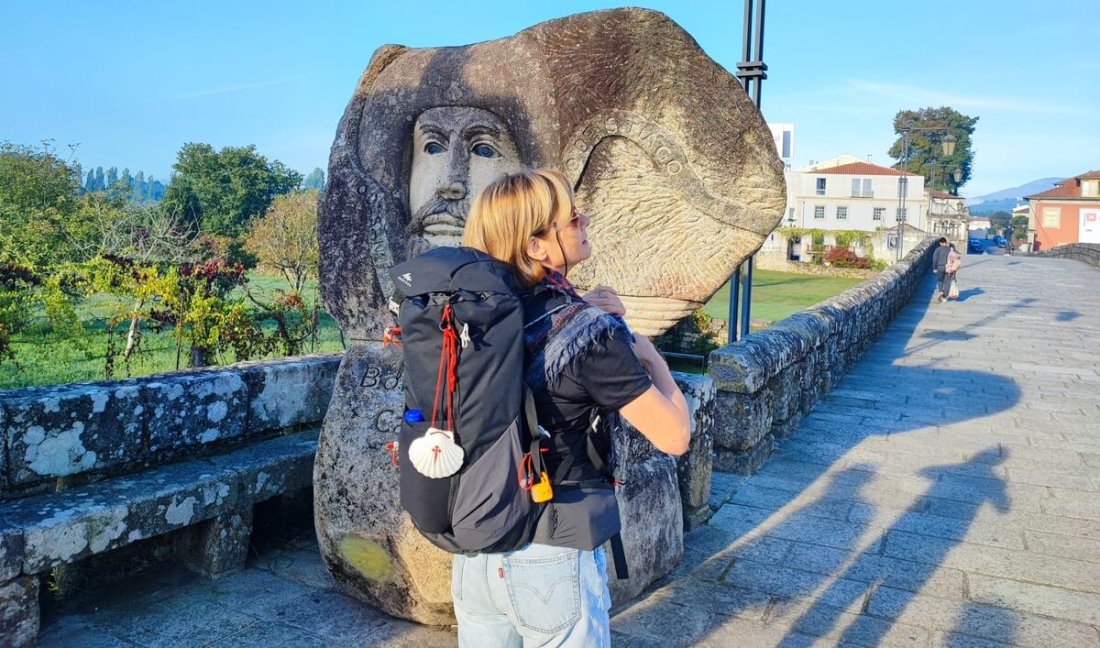
Why Slow Travel Matters: The Value of Taking Your Time
In a world that rewards speed, slowing down may be one of the best ways to truly discover a place.
Today, we are constantly encouraged to do more in less time. We check messages while walking, look at maps while moving between places and build long lists of things we want to see, often trying to fit an entire destination into just a few days.
Even travel, which should offer a break from our usual routines, can easily become another exercise in efficiency. We move from one attraction to the next, think about what comes next before we have finished experiencing what is happening now, and sometimes return home with hundreds of photographs but very few memories of how a place actually felt.
Slow travel offers a different perspective.
It does not mean giving up on discovering new places or deliberately making a journey longer. It simply means allowing enough time for the destination to become more than a collection of sights on an itinerary.
And this is something we experience particularly clearly when travelling on foot or by bike.
What do we miss when we travel too quickly?
When we move quickly, we can cover a lot of ground. But distance and discovery are not necessarily the same thing:
- A beautiful landscape can become little more than something seen through a car window.
- An historic town can be reduced to a photograph taken between two stops.
- A small village may never even appear on the itinerary because there is simply no reason to stop.
The faster we move, the more our attention tends to shift towards the next destination.
And that is where some of the most interesting parts of a journey can disappear.
The smell of freshly prepared food coming from a small local café. The sound of church bells in the distance. A conversation with someone who lives in the village you have just reached. A quiet road that makes you want to stop for a few minutes, even though it was never part of the original plan.
These moments rarely announce themselves.
They need time.
Walking changes the way we experience a destination
There is a fundamental difference between visiting a place and moving through it on foot.
When we walk, the distance between two places becomes part of the experience rather than simply something to be overcome.
A road through the countryside is no longer just a connection between two points. It becomes an opportunity to notice how the landscape changes, how the architecture evolves and how everyday life unfolds around us.
Walking also changes our sense of scale. A few kilometres can feel significant when they are covered step by step, but that physical connection with the distance can make the landscape more meaningful.
This is one of the reasons walking holidays can offer such a different perspective on a destination. The journey itself becomes part of what we came to experience.
Cycling offers a different kind of freedom
Travelling slowly does not necessarily mean walking.
Cycling creates another balance between movement and discovery. It allows us to cover greater distances while remaining much more connected to the landscape than we would be when travelling by car.
A morning can begin near the coast and gradually move inland, with villages, rivers, woodland and open countryside appearing along the way. Because the journey unfolds at a human scale, there is still time to notice the details that make each place different.
There is also a sense of freedom that comes with travelling by bike. You can stop when something catches your attention, take a quieter road or spend a little longer in a place that was not originally on the plan.
The destination still matters. But it no longer becomes the only thing that matters.
Some of the best moments are the ones you did not plan
One of the most rewarding things about travelling at a slower pace is that it leaves room for spontaneity.
When every hour has already been allocated, there is little space for an unexpected detour. When the itinerary allows some breathing room, a small discovery can become part of the journey.
- Perhaps it is a family-run restaurant recommended by someone you meet along the way.
- A village square where locals gather at the end of the afternoon.
- A viewpoint that makes you stop for longer than expected.
- Or simply a quiet stretch of road where you realise that there is nowhere else you need to be.
These moments are difficult to plan because they are precisely what makes them memorable.
A good itinerary should give you direction. It should not dictate every moment.
The landscape reveals more when you give it time
Portugal changes considerably from one region to another, but those differences are not always obvious when travelling quickly.
The coastline gives way to countryside. Vineyards appear between villages. Forested hills rise in the distance. Rivers shape valleys and communities. Architecture changes gradually, reflecting different histories, climates and traditions.
When travelling by foot or bike, these transitions become part of the journey.
You notice the landscape changing rather than simply arriving somewhere where it has already changed.
That difference may seem subtle, but it can completely alter the way you remember a destination.
Instead of remembering a series of isolated places, you begin to understand how they connect.
Slow travel creates more meaningful connections with local communities
Travel is not only about landscapes.
The people who live in a destination are part of what makes that place what it is, and moving at a slower pace creates more opportunities for genuine encounters.
A conversation with a café owner, a recommendation from a local resident or a brief exchange with another traveller can become part of the story of a journey.
These interactions do not need to be long or dramatic. Often, they are remarkably ordinary.
But when we are not constantly looking at the clock, there is more room for them to happen.
This is particularly evident on walking and cycling routes, where travellers naturally pass through smaller communities and spend more time moving through the places between major destinations.
The Portuguese Camino is one example of travelling at a different pace
The Camino de Santiago offers a particularly powerful example of what happens when we allow a journey to unfold gradually.
Walking or cycling through northern Portugal and Galicia means moving through towns, villages, countryside and historic landscapes rather than simply travelling between major destinations.
The route has a clear destination, but the experience is built from everything that happens along the way.
For many travellers, that is precisely what makes the Camino so memorable.
But the same principle applies far beyond pilgrimage routes.
Whether you are walking through a national park, cycling through wine country or following a coastal trail, travelling at a human pace changes what you are able to notice.
Slow travel does not mean travelling less
There is a common misconception that slowing down means giving something up.
In reality, it can mean experiencing more of what is already there.
You may visit fewer places in a single day, but you may remember them differently. You may spend longer in one village instead of visiting three. You may stop for lunch rather than eating on the move. You may choose a quieter route because it gives you the chance to experience the landscape rather than simply reach the next point on the map.
The goal is not to maximise the number of experiences. It is to make the experiences you choose actually count.
What changes when you stop rushing?
For many travellers, the first change is surprisingly simple: the clock becomes less important.
Instead of constantly calculating how much time remains, you start paying attention to where you are.
You notice the landscape after a bend in the road. You recognise the faces of people you have encountered more than once. You become aware of the rhythm of a village and the changing light across the countryside.
And somewhere along the way, the journey stops feeling like something you need to complete.
It becomes something you are actually living.
That is perhaps the greatest value of slow travel. It gives us permission to stop treating every experience as something to be ticked off a list.
A journey can change the way you see everyday life
The lessons of travelling slowly do not necessarily end when the journey does.
After spending several days walking or cycling, returning to everyday life can feel surprisingly different. Simple things may become more noticeable. There can be less urgency to fill every moment and a greater appreciation for time that has no measurable purpose.
The experience can also change the way we think about distance, productivity and the idea of always having to move forward.
We discover that progress does not always need to be fast to be meaningful.
And perhaps that is one of the reasons walking and cycling holidays stay with us long after we return home.
The journey is not only about where you arrive
A destination gives a journey its direction, but the route gives it meaning.
When we travel too quickly, it is easy to remember where we went without remembering how it felt to be there.
Slowing down creates a different kind of travel experience. There is more time to observe, more space for unexpected encounters and a greater opportunity to understand the places we pass through.
You do not necessarily need to travel farther.
Sometimes, you simply need to give the journey enough time to reveal itself.
Continue exploring Portugal at a slower pace
If this way of travelling appeals to you, discover more of Portugal through our walking and cycling experiences.
From the Portuguese Camino to the Douro Valley and the landscapes of northern Portugal, our programmes are designed to give you time to experience the destination rather than simply pass through it.
The best journeys are not always the ones that take you the furthest. Sometimes, they are the ones that give you enough time to notice where you are.
Frequently Asked Questions
What is slow travel?
Slow travel is an approach to travelling that prioritises time, deeper experiences and meaningful connections over trying to see as much as possible in a short period.
Why is walking a good way to experience a destination?
Walking allows travellers to move at a human pace, making it easier to notice landscapes, architecture, local communities and everyday details that can easily be missed when travelling by car.
Is cycling considered slow travel?
Yes. Cycling allows travellers to cover greater distances than walking while remaining closely connected to the landscape and local communities. It offers a balance between movement and time for discovery.
Is slow travel suitable for the Camino de Santiago?
Yes. The Camino is naturally suited to slower forms of travel, particularly walking and cycling, because the journey itself is an important part of the experience rather than simply a means of reaching Santiago.
Does slow travel mean visiting fewer places?
Not necessarily. It means prioritising the quality of the experience rather than trying to maximise the number of places visited. A slower itinerary can create more opportunities to understand and enjoy each destination.
GIVE YOUR JOURNEY TIME TO UNFOLD.
SOME PLACES CANNOT BE UNDERSTOOD FROM A PASSING GLANCE. WALK, CYCLE AND GIVE YOURSELF TIME TO DISCOVER PORTUGAL AT A DIFFERENT PACE.
DISCOVER OUR WALKING AND CYCLING PROGRAMMES.
 WhatsApp
 Email
 Facebook
Discover Portugal at a Slower Pace
Walk, cycle and take the time to experience the landscapes, people and places that make each journey unique.
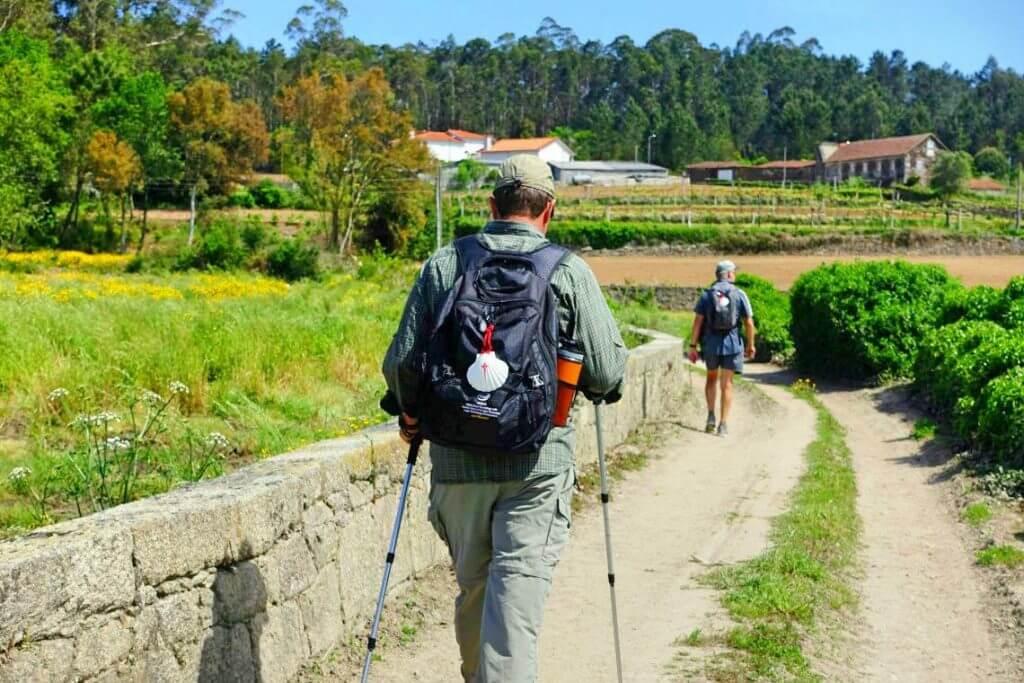
Easy Coastal Camino
11 days | from €1.040
If you’d rather take your time over your Camino de Santiago and enjoy your surroundings, our Easy Camino is designed with you in mind.

Luxury Coastal Camino
15 days | from €2.280
Experience the very best of the Coastal Camino route from Porto to Santiago by treating yourself to luxury accommodations along the way.
Make an Enquiry


